


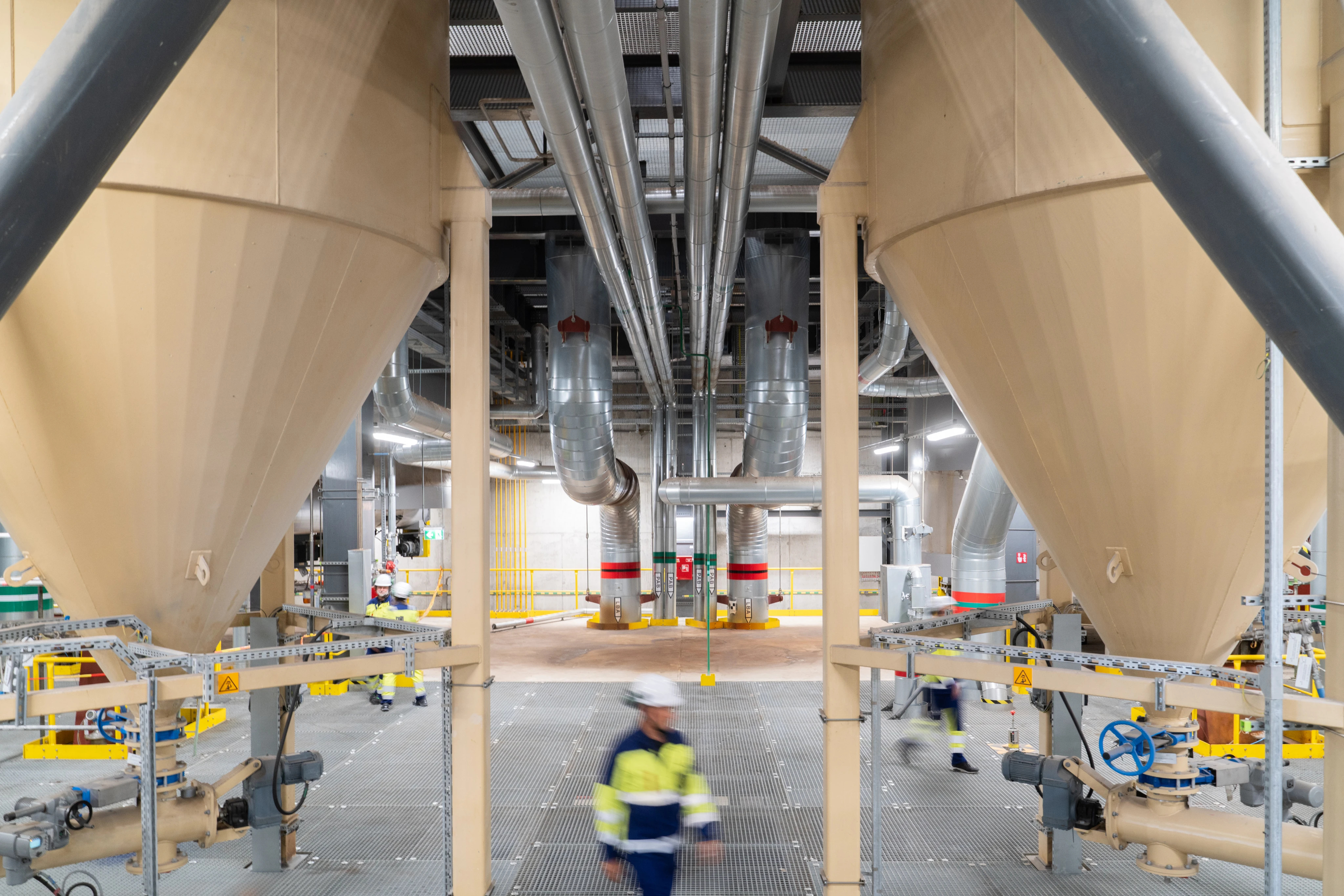

Cogeneration technology
A highly efficient process that produces heat and electricity at the same time, maximizing energy use and reducing waste.
The plant supplies a significant share of Vilnius district heating, ensuring stable and efficient energy for homes and businesses throughout the year.
During peak winter conditions, the plant plays a critical role in meeting increased heat demand and maintaining a reliable energy supply.
Advanced cogeneration maximizes energy output by using both heat and electricity efficiently, reducing waste and improving performance.
About the technology
Cogeneration is the simultaneous production of heat and electricity in a single process. Instead of wasting heat, it is captured and reused, increasing overall efficiency and reducing fuel consumption.
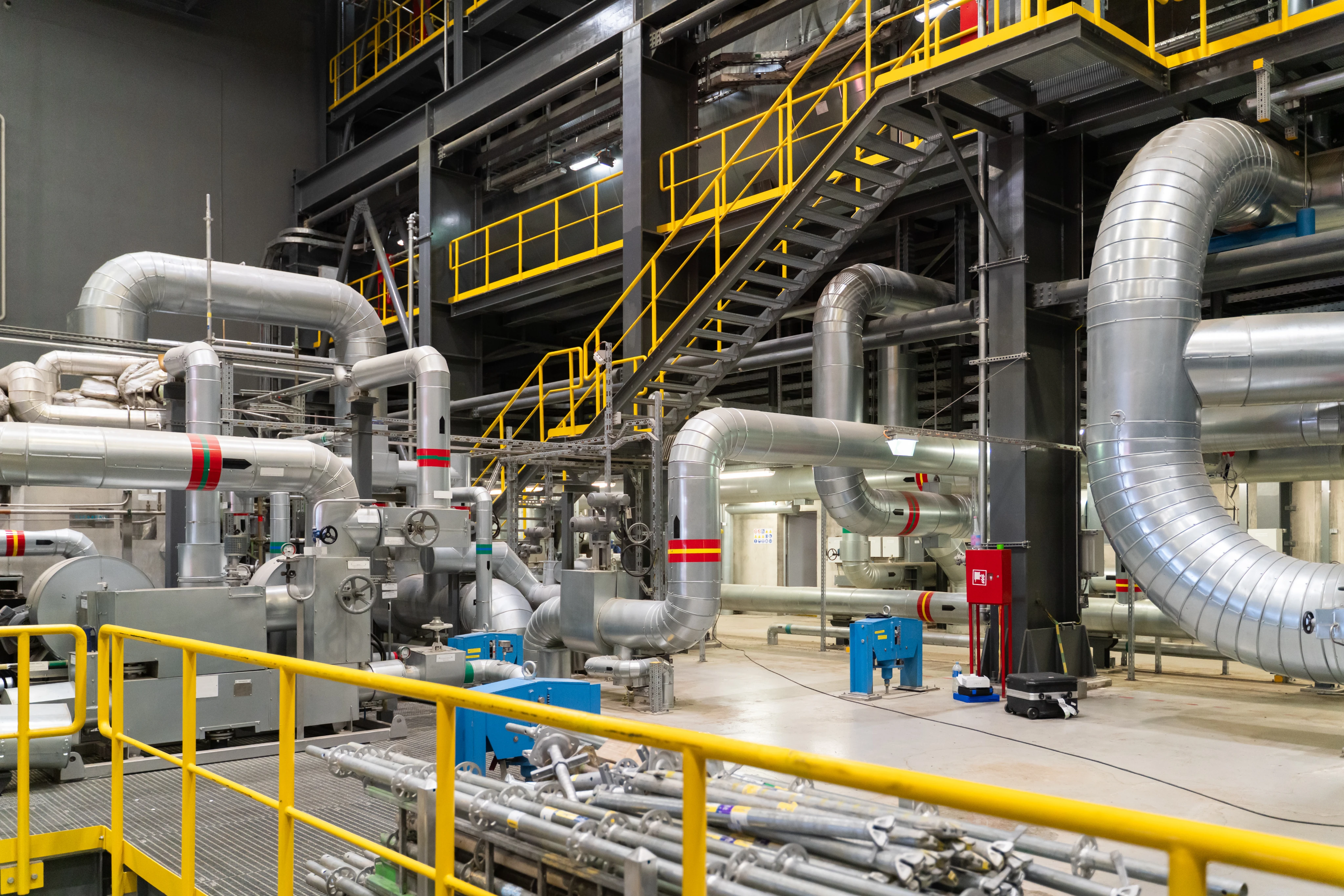
Energy conversion process
1
Fuel input
Waste and biomass are delivered to the plant
2
Energy generation
Fuel is converted into heat and electricity
3
Distribution
Energy is supplied to the city and the grid
4
Emission treatment
Flue gases are cleaned using advanced systems
5
Monitoring
Emissions are continuously controlled

Efficiency comparison

Traditional power plant
~35%

Cogeneration power plant
~90%
Key advantages


Cost efficiency
Production of two types of energy—heat and electricity—simultaneously is cheaper and reduces greenhouse gas emissions.


Decentralization
Plants are designed to meet local consumer needs, ensuring high efficiency with lower transmission losses and increased system flexibility.


Energy security
Local production reduces the risk of consumers being left without heat or electricity supply, increasing both local and market energy security.


Environmental impact
Benefits increase especially when the plant uses local fuel such as biomass or municipal waste, significantly reducing carbon footprint.


Backup capacity
Operates smoothly in parallel with existing electricity or heat networks and can provide backup capacity when needed.


Up to 95% efficiency
Cogeneration plants can reach 95% or higher efficiency, compared to 30-60% in traditional power plants.

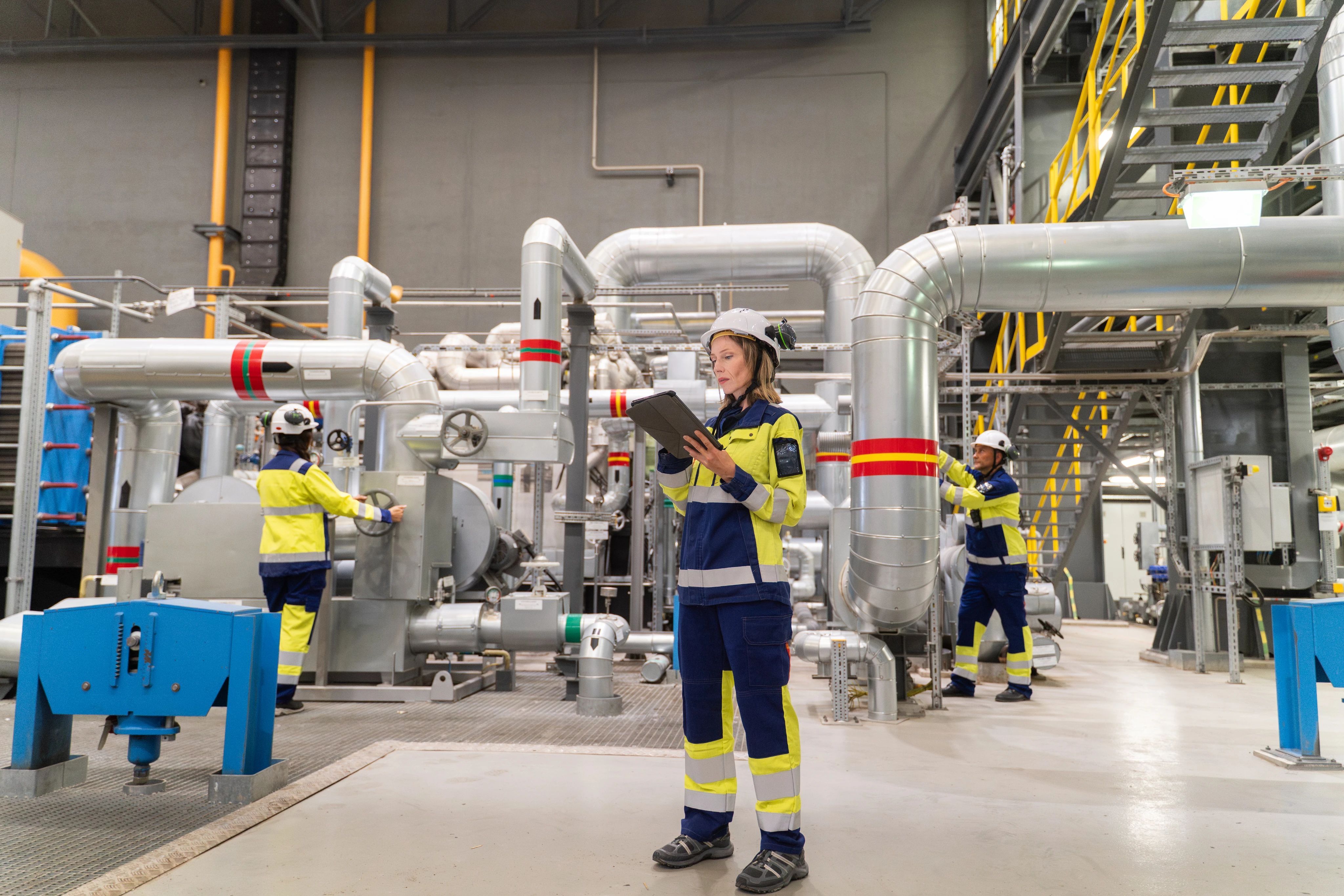
Are waste and cogeneration compatible?
Waste-to-energy is a proven and widely used method. When combined with cogeneration, it allows efficient use of resources while reducing landfill waste.