


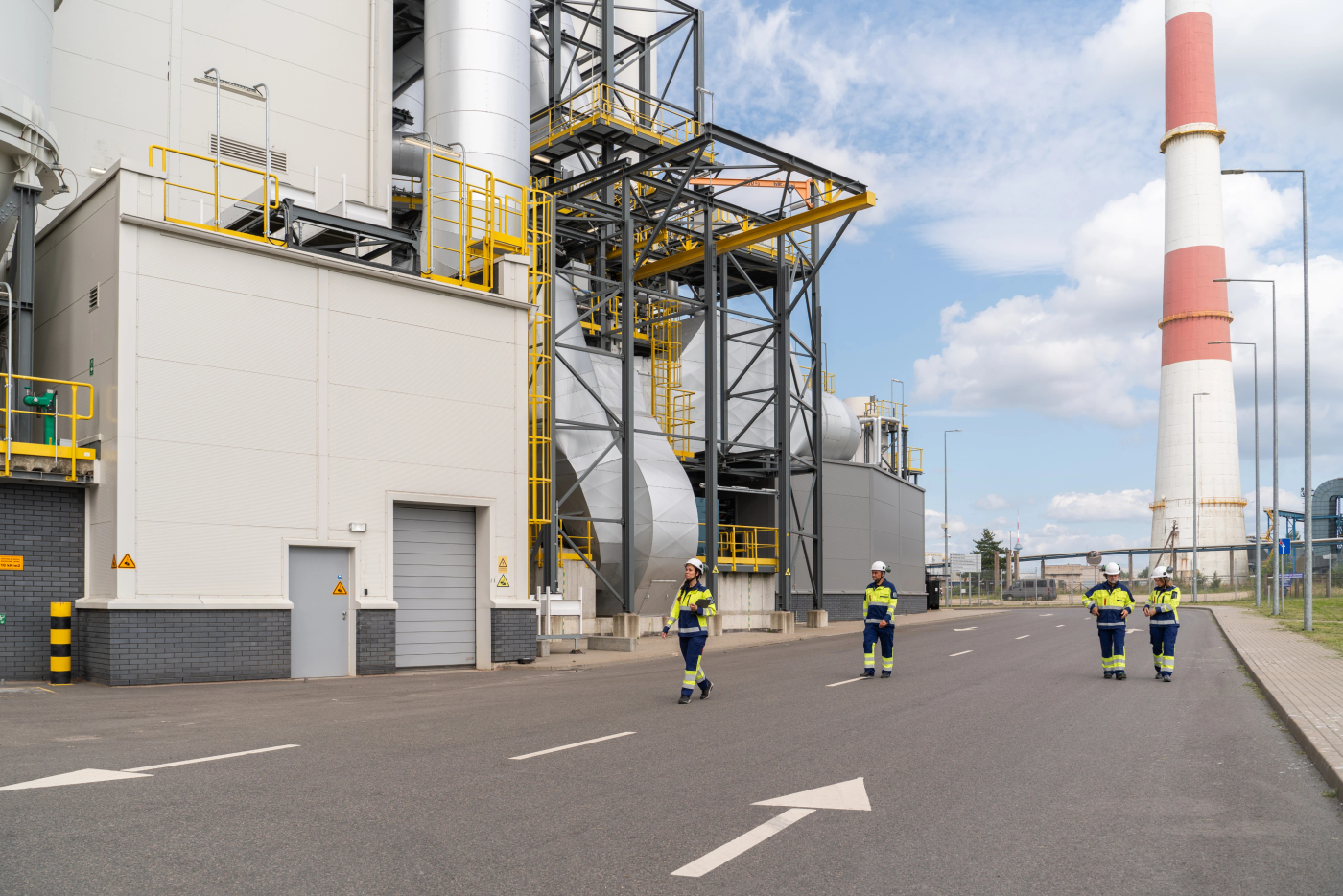

About the power plant
The Vilnius combined heat and power plant is a modern facility using local and renewable resources to deliver reliable and efficient energy.
Powering the city sustainably
By using non-recyclable waste and renewable biomass, the plant reduces landfill use and supports a more sustainable energy mix. It provides reliable heat and electricity for Vilnius.
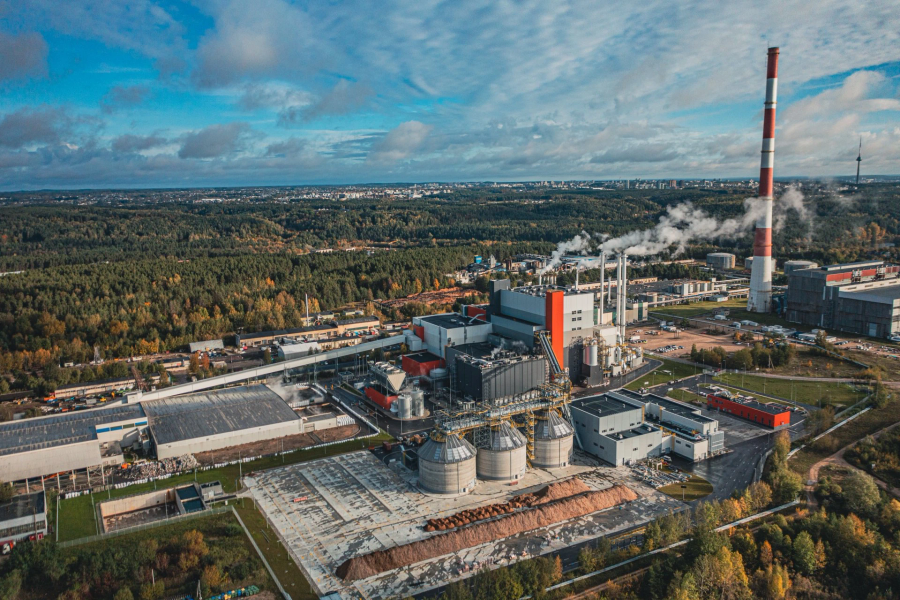
Key capabilities


Waste-to-energy


Renewable biomass


Cogeneration technology


High efficiency


Emission control


Continuous monitoring


Eco standards


Reliable energy supply
Environmental responsibility
The plant operates in line with strict EU environmental standards and Best Available Techniques (BAT). Advanced emission control systems ensure pollutants are monitored and minimized, with continuous verification to maintain high environmental performance.

Cogeneration units
Waste-to-energy data
Combustion grate boiler technology
Capacity & output
Boilers
1 × 80 MW
Power capacity
Up to 20 MW
Heat capacity
Up to 70 MW
Annual power output
Up to 160 GWh
Annual heat output
Up to 524 GWh
Energy utilization rate
Over 100%
Technical Systems
Steam turbine
20 MW generator
Combustion type
Traveling grate
Boiler type
70 MW single unit
Ash Collection
Fly and bottom ash
Economizer
Condensing type
Monitoring
Continuous, real-time


Flue gas treatment
Selective non-catalytic reduction (SNCR)
Spray-dry absorbers
Sleeve filtration system


Key components
Receiving, weighing & storage systems
Waste preparation & feeding systems
Flue gas monitoring system


Continuous monitoring
Nitrogen oxides, carbon monoxide, sulfur dioxide
Particulates, total organic carbon
Hydrogen chloride, hydrogen fluoride, ammonia
Oxygen and water vapor


Spot measurement
Heavy metals analysis
Dioxins and furans (PCDDs/Fs)
Polychlorinated biphenyls (PCBs)
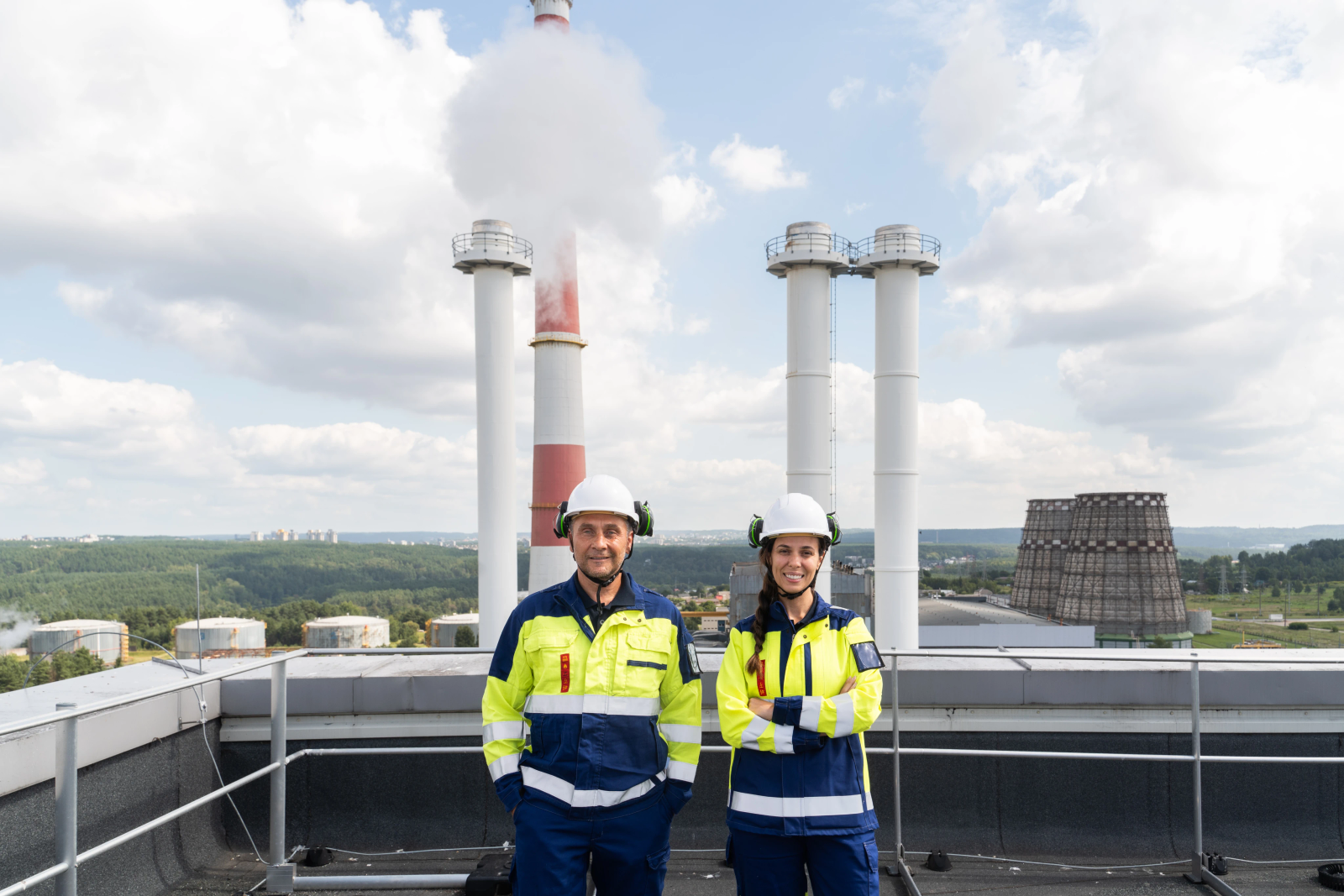

EU funding
The Vilnius CHP Plant project was financed through a combination of EU Cohesion Fund support, European Investment Bank financing, and company funds.
A €91 million EU investment supported the development of a high-efficiency biomass cogeneration unit, while an additional €47 million was allocated for municipal waste-to-energy infrastructure. The total project value exceeded €416 million.
Pollution prevention & control permit
A feasibility study was conducted to assess pollution control solutions for the plant, evaluating environmental, financial, and economic factors.